Green Initiatives: How E-Waste Recycling Services Are Protecting Our Planet
E-waste poses significant threats to the environment, as disposed electronics frequently harbor hazardous substances. Such dangerous compounds can pollute soil and water supplies, leading to broader ecological damage. E-waste recycling initiatives provide a practical answer. They serve the dual purpose of reclaiming precious materials and reducing contamination. Gaining insight into how these programs function and affect local communities is critical. The path to successful electronic waste management prompts vital discussions about personal accountability and communal efforts. What measures can be pursued from this point onward?
How E-Waste Is Hurting the Planet
While technology enriches contemporary living, e-waste poses considerable environmental hazards. Abandoned electronic gadgets, frequently composed of dangerous compounds like lead, mercury, and cadmium, are capable of seeping pollutants into groundwater and soil, presenting dangers to ecosystems and human health. The swift progression of technology results in greater consumer replacement of electronic devices, exacerbating the accumulation of e-waste.
Landfills, already overwhelmed with refuse, find it difficult to handle the increasing amounts of discarded devices. Incineration, another disposal method, releases harmful pollutants into the atmosphere, contributing to air quality degradation. Furthermore, inadequate recycling methods can result in the shipment of electronic waste to underdeveloped nations, where workers may break down equipment without proper protective measures, putting themselves at risk of exposure to hazardous materials. This pattern of negligence and mismanagement highlights the critical demand for eco-friendly recycling alternatives that can reduce the damaging impact of electronic waste on the environment.
What Is E-Waste and Why Is It Important?
E-waste, also referred to as electronic waste, comprises unwanted electronic equipment such as smartphones, computers, and televisions that are no longer functional or needed. This growing category of waste is significant owing to its accelerating volume, fueled by innovation in technology and shifting consumer habits. With an increasing number of devices reaching obsolescence, the environmental impact intensifies, with harmful substances like lead, mercury, and cadmium threatening both ecosystems and public health.
Addressing e-waste is crucial not only for reducing these dangers but also for acknowledging the precious materials found within it. Precious metals and rare earth elements can be recovered and reused, reducing the need for mining and conserving natural resources. Through a deeper awareness of e-waste and its consequences, both individuals and organizations can make well-informed choices regarding disposal and recycling, thereby supporting a more sustainable future. Proper management of e-waste is essential for fostering a circular economy and promoting environmental stewardship.
How E-Waste Recycling Works
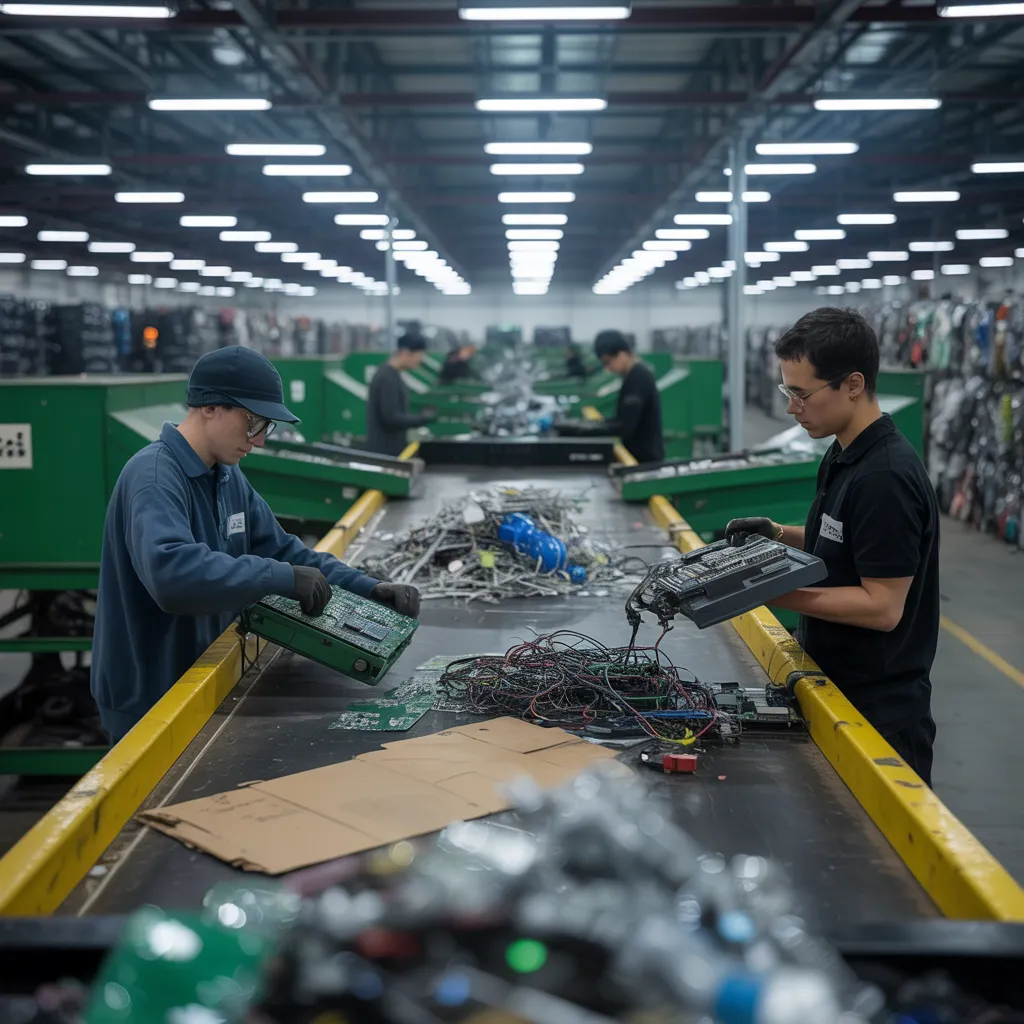
The recycling of e-waste encompasses a systematic process designed to recover valuable materials while reducing harm to the environment. At the outset, e-waste is collected and transported to purpose-built recycling plants. Upon arrival, the electronics are carefully categorized to distinguish harmful elements from reusable resources.
After this step, workers deconstruct the devices, recovering glass, metals, and plastics. This process is vital, as it allows for the recovery of high-value metals like gold, silver, and copper, which may be utilized in modern electronics.
Subsequently, the isolated materials are processed via state-of-the-art techniques, such as shredding and chemical treatments, to cleanse them for recycling.
In the final step, the remaining hazardous materials are disposed of responsibly, following environmental regulations. This comprehensive process not only preserves valuable resources but also minimizes the hazards associated with irresponsible electronic waste disposal, guaranteeing a greener future for the consumption of electronics.
Benefits of E-Waste Recycling for You and Your Community
While many individuals may not realize it, the advantages of e-waste recycling go far beyond individual benefit and actively shape entire communities. By carefully processing electronic waste, individuals help foster a safer environment, decreasing hazardous materials that can contaminate soil and water. This proactive approach actively safeguards local ecosystems and supports public health.
In addition, e-waste recycling promotes the creation of jobs in communities. Nearby recycling establishments regularly need employees for a range of functions, from collection to processing, consequently creating meaningful employment for local residents. This not only enhances the community economy but also promotes community participation in sustainable initiatives.
In addition, awareness of e-waste recycling can lead to educational initiatives, encouraging residents to pursue greener alternatives. By participating in e-waste recycling programs, individuals nurture a culture of sustainability, inspiring others to do the same. In summary, the collective impact of these actions can result in a more strong and environmentally aware community.
How to Pick an E-Waste Recycling Service
Picking the right electronic waste recycling provider is vital for making sure that e-waste is handled with responsibility and sustainability. To begin, people should confirm the company's credentials, such as R2 or e-Stewards, which indicate compliance with industry standards for responsible recycling methods. Additionally, it is advisable to examine the provider's reputation by checking reviews and seeking recommendations from trusted sources.
Moreover, clarity in the recycling process is essential. A dependable provider should supply straightforward details about the manner in which e-waste is managed and what happens to the materials. Additionally, evaluating the range of services offered can be beneficial; various firms may supply retrieval services or extend benefits for recycling.
Furthermore, understanding local regulations regarding e-waste disposal can help inform the choice of disposal method. By taking these elements into account, people are able to support responsible e-waste disposal alongside encouraging sustainable environmental efforts.
How You Can Get Involved in E-Waste Recycling?
Engaging in e-waste recycling may begin at the local level, where recycling centers frequently offer essential services for proper disposal. Furthermore, joining community awareness campaigns can strengthen efforts to raise awareness about the importance of responsible e-waste management. These initiatives not only advance environmental sustainability but also cultivate a collective sense of accountability for the environment.
Local Recycling Centers
A wide range of local recycling centers perform an important function in the recycling of e-waste, offering communities convenient opportunities to dispose of electronic waste responsibly. These stations receive a variety of electronic devices, including old computers, smartphones, and televisions, ensuring that harmful materials are handled safely. See all Most stations have qualified professionals who support individuals in understanding proper disposal practices, highlighting the value of recycling rather than landfilling. Furthermore, many centers offer planned drop-off gatherings or set collection days, making participation convenient for residents. By utilizing these local services, individuals contribute to a circular economy, reducing environmental impact and promoting sustainable practices. Connecting with these stations allows communities to address e-waste pollution proactively.
Public Awareness Initiatives
Local organizations, schools, and businesses can work together to organize events that support e-waste collection drives. Volunteers can play a pivotal role in spreading awareness, distributing educational materials, and engaging with the community. Through these collective efforts, local inhabitants gain greater awareness and encouragement to properly recycle their e-waste, thus playing a meaningful role in creating a more environmentally responsible future.
Answers to Your Most Common Questions
What Kinds of Electronics Can Be Recycled?
A wide range of electronics are able to be recycled, including smartphones, computers, laptops, televisions, printers, and gaming consoles. In addition, accessories such as mice, keyboards, and batteries are equally appropriate for recycling, aiding in eco-friendly conservation initiatives.
Is There a Cost Associated With E-Waste Recycling?
Indeed, e-waste recycling may involve costs, subject to the provider. Some service centers apply costs for pickup or handling, while other facilities make services available at no charge, often subsidized by the sale of reclaimed components.
How Can Businesses Benefit From E-Waste Recycling?
Organizations can gain from e-waste recycling by minimizing disposal costs, enhancing their environmental image, adhering to regulatory requirements, recovering valuable materials, and possibly earning income through resale, ultimately contributing to a more sustainable operational strategy.
What Occurs with Data on Recycled Devices?
Data from refurbished equipment is commonly completely removed or obliterated throughout the recycling process. This ensures sensitive information stays protected, preventing unauthorized access while allowing resources to be reused carefully and ethically within new applications.
Is It Possible to Recycle Damaged Electronics?
Yes, broken electronics can be recycled. Many centers take in damaged devices, providing responsible disposal and extraction of useful materials. It helps decrease harm to the environment while supporting eco-friendly recycling methods to manage electrical waste properly.